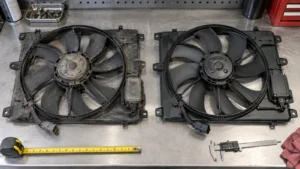
If a radiator fan connector keeps melting, the new plug may be carrying normal current through a poor contact, or it may be carrying more current than the circuit was designed for. The melted plastic tells you where heat accumulated, not which part started the fault. Before ordering another pigtail or a fan motor, find out what happened on both sides of the connection.
Safety first: Do not keep driving with a burning smell, smoke, a visibly melted plug or a rising coolant-temperature warning. Stop safely, switch off and arrange professional inspection. Electric fans can start unexpectedly. Do not touch the blades, reconnect a charred plug for a live test, fit a larger fuse or bypass the fan controller.
Why one terminal can melt without blowing the fuse
A terminal needs enough contact pressure to carry the fan’s operating current. If a female terminal has lost its grip, a pin is pitted, or corrosion has entered a crimp, resistance can rise at one small point. Heat generated at that point follows I²R: current squared times resistance. The total circuit current need not exceed the fuse rating for the plastic around one terminal to soften. An intact fuse therefore does not clear the connector.
This is a documented failure mode. In Mitsubishi bulletin TSB-17-14-001, the manufacturer describes loss of terminal contact pressure on specified Lancer and Outlander Sport/RVR applications. Its remedy includes harness changes, updated connectors and replacement of the affected motor when the connector has melted. That is a vehicle-specific repair, not a rule to replace every motor with a scorched plug.
When the motor itself draws too much current
A binding motor bearing or a blade rubbing a distorted shroud can increase the work the motor must do. The fan may still turn, so seeing it spin is not a pass. A technician needs the current specification for the particular fan, supply voltage and commanded operating stage. A brief starting surge is not the same as sustained high running current; readings taken at different commands are not directly comparable.
Current and contact resistance can also be wrong at the same time. Replacing a dragging motor will not restore the spring tension of a burned terminal. Conversely, a new harness connector cannot cure excessive motor load. A manufacturer recall report filed with NHTSA documents a specific cooling-fan investigation involving bearing wear and high current. Check recall applicability by VIN rather than applying another vehicle’s remedy.
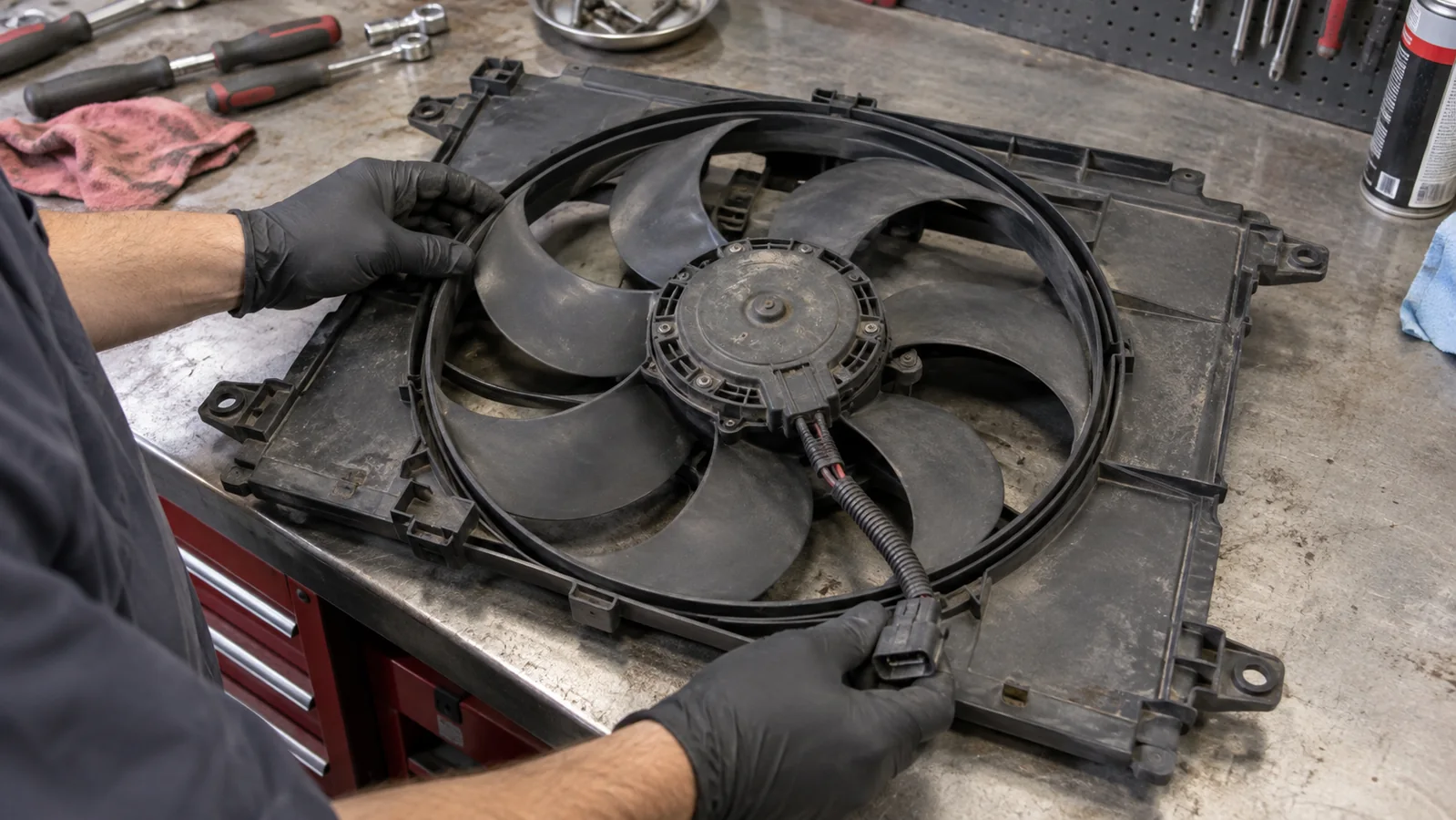
What the workshop finding means for the parts order
| Finding | What it suggests | Repair decision |
|---|---|---|
| Damage is concentrated at one terminal; the mating pin is discoloured or pitted. | Localized heating at the contact is plausible. The pattern alone does not prove the cause. | Identify the approved repair for both mating surfaces. A clean new socket against a burned pin is not a finished repair. |
| Heat damage extends into the old splice or wire insulation. | The fault may extend beyond the visible housing. | Have the workshop establish the extent of conductor damage and follow the specified harness repair or replacement procedure. |
| The repaired circuit is sound, but running current remains above the vehicle specification. | Abnormal fan load or an internal motor fault needs investigation. | Check for interference and the specified control command. Quote a motor or assembly only when the findings support it. |
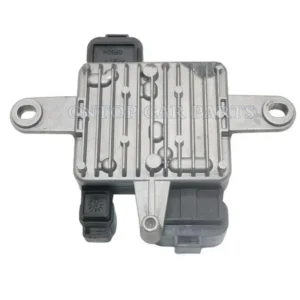
| The motor-side socket is integral to a controller or non-serviceable assembly. | A harness-side pigtail cannot renew the damaged mating terminal. | Identify the serviceable unit from the parts catalogue and confirm what comes with it. |
What to ask before authorizing another pigtail
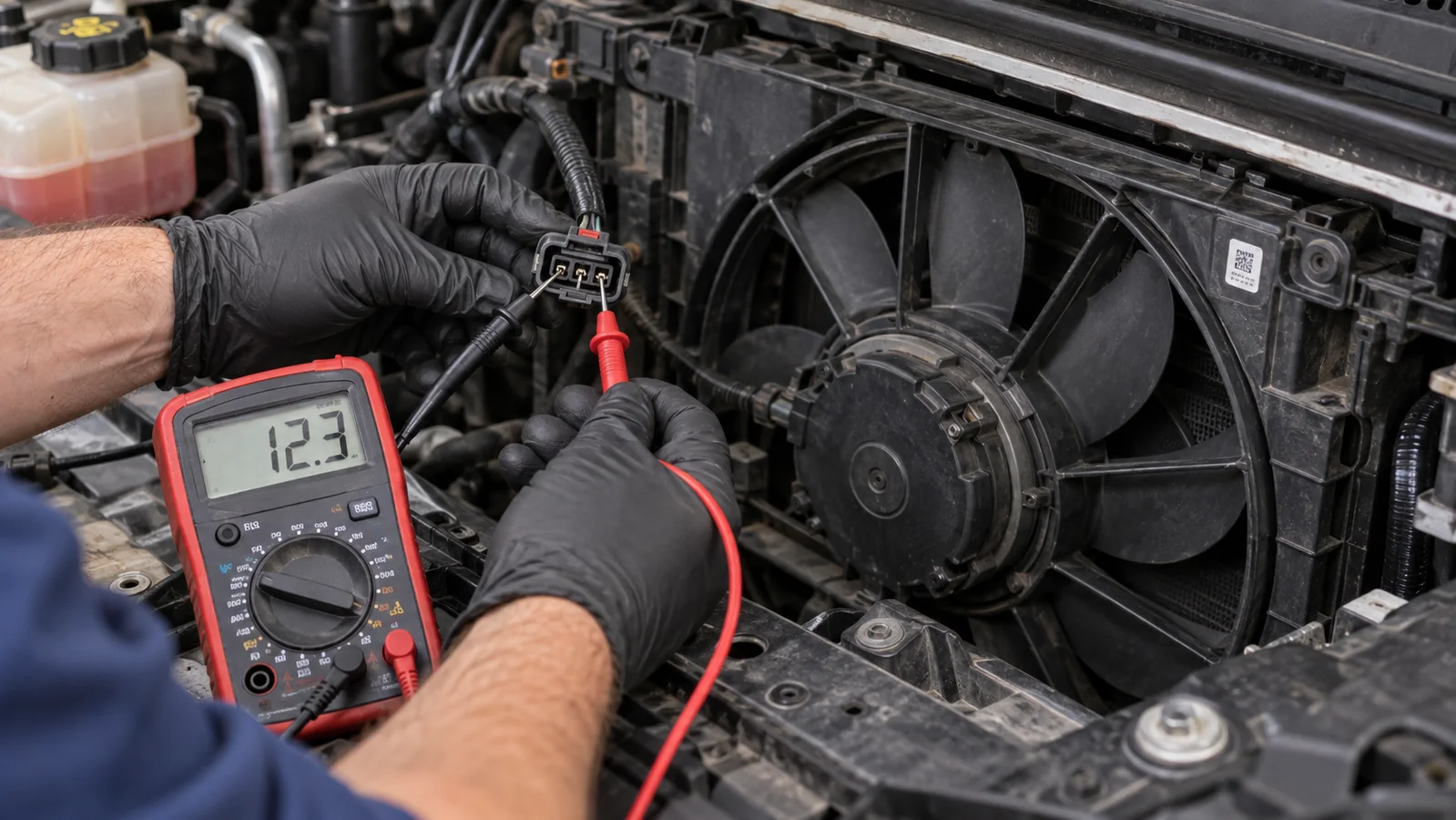
Ask the workshop two separate questions: Where was voltage being lost under load, and what was the fan’s running current at that same operating stage? The first helps identify resistance in a feed, return or connection. The second helps identify excess load. An unplugged connector showing battery voltage answers neither question. Measurements belong on a safe circuit using the manufacturer’s procedure and suitable equipment, not through a damaged plug.
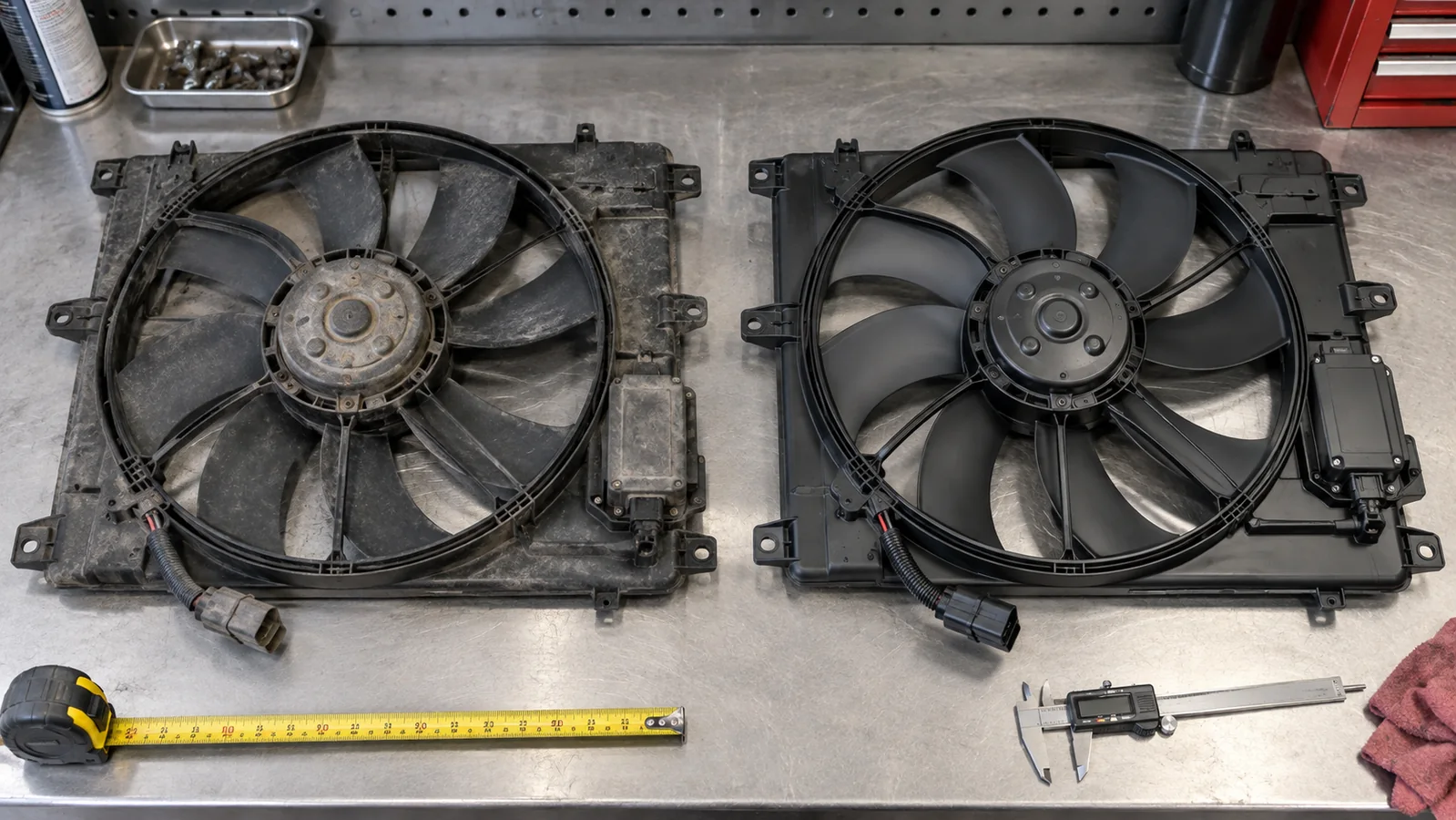
Choosing between a harness repair, motor and complete assembly
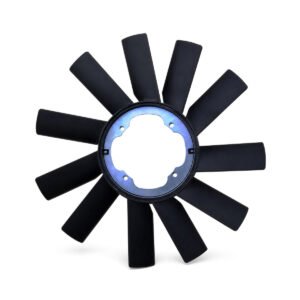
A connector or harness repair may be sufficient if the vehicle maker permits it, the mating component is serviceable, the damaged wiring is addressed and the fan passes the specified checks. Match terminal type, wire size, seal and repair method; pin count and wire colour alone do not identify a repair kit. If the motor fails testing or its fixed socket is damaged, check whether a cooling fan motor is separately serviceable. If not, review the radiator fan assembly and confirm whether the harness-side repair is ordered separately.
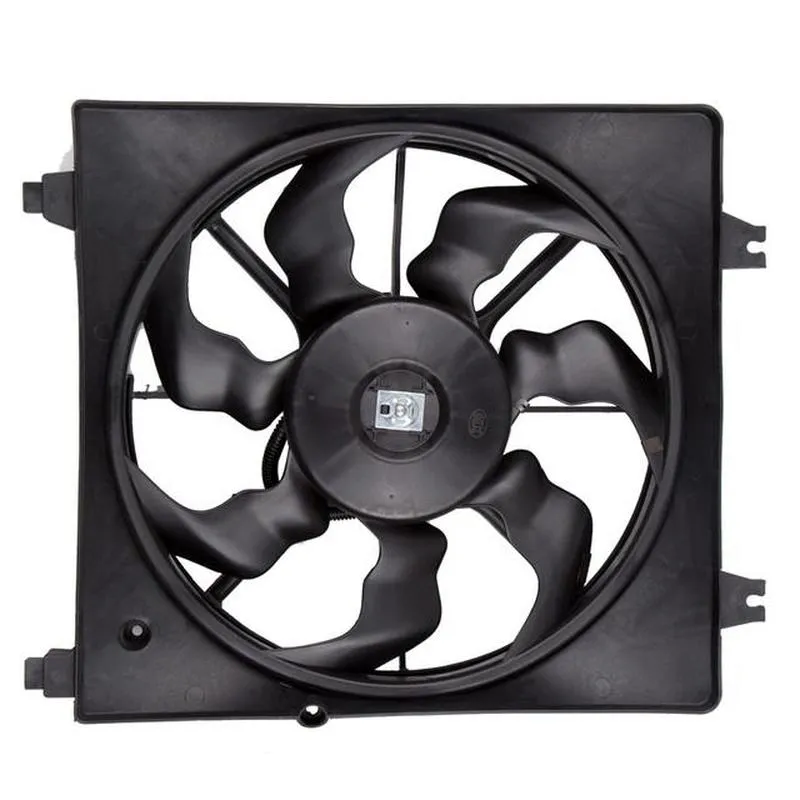
For a Yongshang Auto parts enquiry, send the vehicle details, original part number, photos of both connector halves and the workshop’s confirmed repair scope. State whether you need the harness side, motor side or complete assembly. That distinction is more useful than ordering a second plug because it looks like the first one.